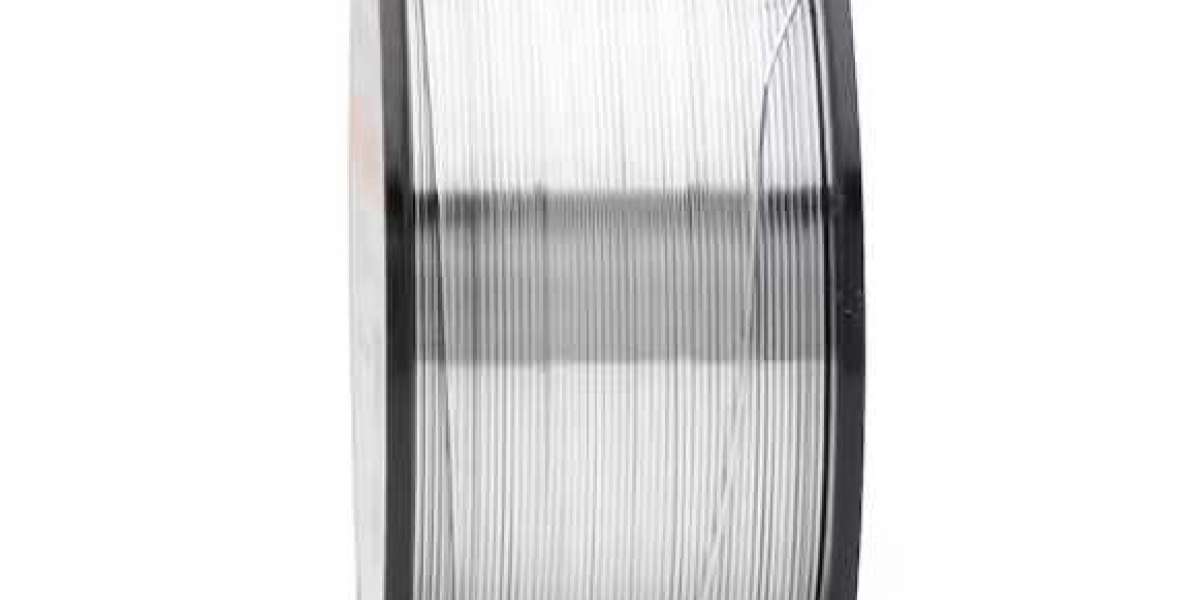

High demand for reliable joining in high consequence systems has put alloy selection under renewed scrutiny across programs that deliver aircraft and defense platforms. In many procurement and engineering conversations Aluminum Welding Wire ER5087 figures as a candidate because of attributes that address corrosion exposure and structural requirements common to these sectors. When design intent calls for materials that perform under load and in harsh atmospheres the filler choice becomes part of the durability strategy.
Corrosion resistance matters in naval and airborne contexts where salt spray or humid conditions can accelerate degradation. A filler that contributes to a weld microstructure resilient to environmental attack helps reduce inspection cycles and extends time between maintenance events. That attribute resonates with program managers who balance service windows and operational readiness.
Mechanical compatibility is another core factor. Weld zones that mismatch the rest of an assembly may concentrate stress and shorten fatigue life under cyclic loads. Choosing a filler with mechanical behavior aligned to base components helps preserve ductility and avoids brittle transitions that can become initiation points for cracks. Structural engineers often test small assemblies under simulated duty loads to verify that joint performance meets design margins.
Weldability and process predictability shape shop throughput. A consumable that feeds consistently and tolerates moderate handling variation reduces start up issues and lowers scrap in production environments. Fabricators value spools that arrive with clear handling notes and packaging that keeps surface condition consistent from warehouse to bench. Minimizing variables in the arc and puddle helps operators focus on joint geometry and heat management rather than compensating for erratic consumable behavior.
Inspection and nondestructive evaluation also factor into selection. Welds in flight critical areas must pass visual and instrumentation checks. When deposit appearance and penetration are predictable the inspection burden shrinks and qualification runs are smoother. This reduces the time required to move from prototype to full scale assembly and helps program schedules remain steady.
Supply chain resilience has become a higher priority in procurement conversations. Programs need vendors who can provide traceable lots consistent packaging and short lead time options to meet production cadence across multiple sites. Suppliers that pair material control with simple verification samples for customers accelerate acceptance and reduce the risk that a batch will introduce unexpected variation during ramp up.
Handling and storage practices protect material condition before joining begins. Humidity and contamination introduce surface films that degrade arc stability. Clear guidance on unpacking storage and reel mounting reduces the chance that a spool will cause feed stops or porosity. Many fabricators adopt modest verification coupons tied to spool identifiers to validate parameters and to document a baseline for later audits.
Training and process discipline complement material choice. Consistent surface prep consistent heat input and disciplined travel speed significantly reduce common defects. Teams that couple operator practice with a clear parameter window and simple record keeping convert material capability into repeatable joint quality. These measures are practical and often inexpensive relative to the cost of rework on large assemblies.
Environmental considerations and lifecycle thinking are increasingly part of specification language in procurement reviews. Materials that allow for efficient reuse or remelt support broader sustainability goals while easing long term disposal planning. Suppliers that can describe alloy stewardship and recycling pathways add value beyond immediate fabrication metrics.
Technical collaboration rounds out successful programs. Early engagement between integrators and vendors shortens qualification loops and makes decision gates more predictable. When suppliers supply handling notes recommended parameter ranges and sample reels engineers can close out qualification testing faster and with fewer unknowns.
For engineers and procurement teams seeking technical materials details product options or to request sample reels the vendor product pages offer technical notes and contact channels that support evaluation efforts. The site at www.kunliwelding.com hosts product information and handling guidance that help fabricators align consumable choice with process controls and inspection plans. The available resources can assist teams that need to integrate material behavior into design review and production workflows while keeping assemblies within required performance windows.